Server-Side Integrations Fueling Dynamic Prize Pool Growth in Mobile Casino Applications
Morgan Beck · Sep 12, 2026
Server-Side Integrations Fueling Dynamic Prize Pool Growth in Mobile Casino Applications
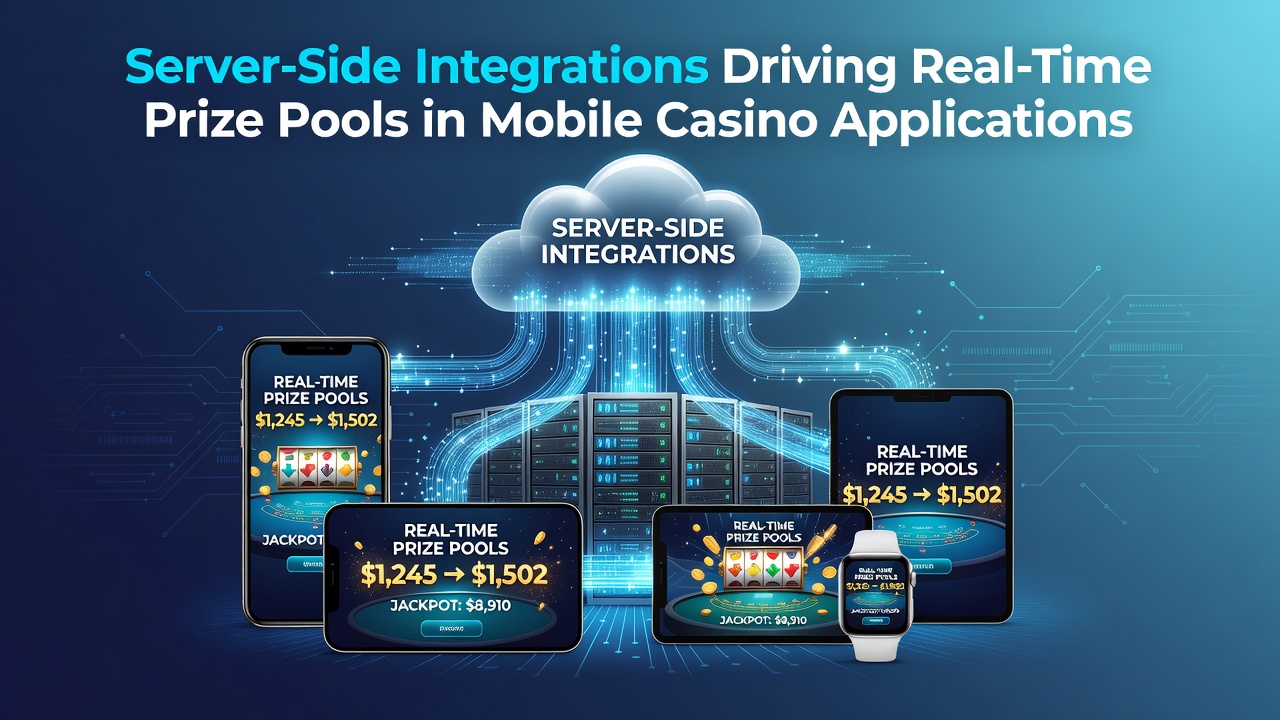
Server-side integrations connect mobile casino platforms to centralized databases and processing engines that update prize pools instantly as players place bets across regions and time zones. These systems rely on application programming interfaces that push data from individual game servers into shared accumulation ledgers, allowing progressive jackpots and pooled rewards to reflect every spin or hand within milliseconds. Industry observers note that such architectures eliminate delays common in older client-side calculations, where local devices handled partial updates before syncing with central servers.
Core Technical Components
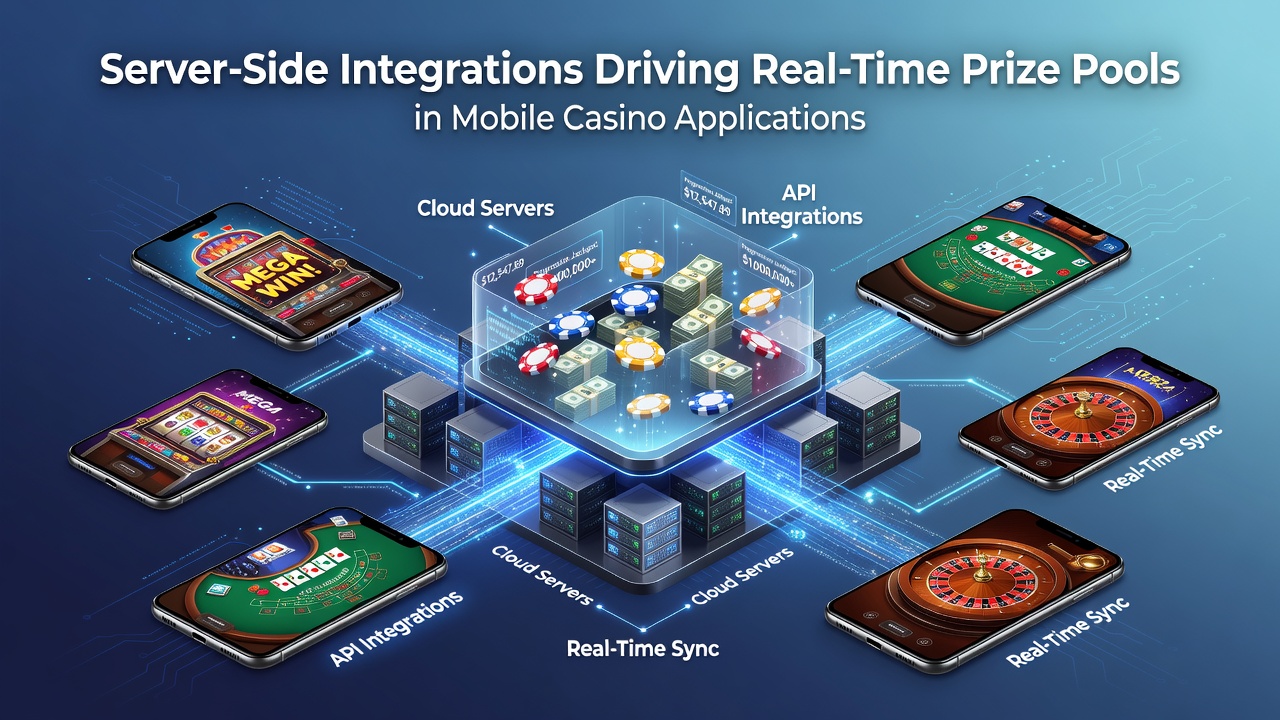
Modern implementations combine cloud-based microservices with event-driven architectures that trigger pool recalculations whenever transaction logs arrive from thousands of concurrent sessions. Developers integrate these services through standardized protocols that maintain consistency even during peak loads, such as evening hours when mobile traffic spikes in multiple continents simultaneously. Data indicates that companies deploying containerized server clusters report faster synchronization times compared with legacy monolithic setups still used by some operators.
Encryption layers and redundant failover nodes protect the integrity of these real-time calculations, while monitoring tools track latency metrics that operators review daily. Researchers have documented cases where millisecond-level improvements in update speed correlate with higher player retention figures tracked through session analytics platforms.
Operational Effects on Prize Dynamics
Live prize pools in mobile applications now adjust automatically when players from different jurisdictions contribute to the same progressive meter. This occurs through geofenced routing rules that route bets to the appropriate regional server nodes before merging totals into global or multi-operator pools. Figures from 2026 show increased adoption of these merged systems, particularly after several major platforms expanded their cross-border offerings in September of that year.
Operators track activation rates for bonus features tied directly to pool thresholds, and automated alerts notify players when pools reach predefined milestones. Such notifications arrive via push channels that pull data directly from the same server integrations responsible for the prize calculations themselves.
Integration with Payment and Compliance Frameworks
Payment gateways feed transaction data into the same server environments that manage prize pools, ensuring that deposit confirmations and bet placements update accumulators without separate reconciliation steps. Regulatory bodies such as the Malta Gaming Authority require audit trails that these integrated systems generate automatically, covering every contribution and payout event. Reports from the authority highlight how standardized logging formats help auditors verify fairness across real-time environments.
Similar requirements appear in North American jurisdictions, where the New Jersey Division of Gaming Enforcement examines server logs for evidence of accurate prize distribution during compliance reviews. Technical standards documents from the division specify latency thresholds that server integrations must meet to maintain licensing.
Patterns Observed in September 2026 Data
Analytics platforms recorded elevated pool growth rates during September 2026, coinciding with seasonal marketing campaigns that coincided with server upgrades across several large operators. Mobile session lengths extended when prize displays updated visibly in real time, according to aggregated telemetry from multiple app stores. Those monitoring these trends point to improved cross-device continuity as a contributing factor, since players switching between phones and tablets encountered uninterrupted pool visibility.
Conclusion
Server-side integrations continue to reshape how mobile casino applications handle prize pool mechanics by enabling continuous, accurate updates across distributed player bases. Technical refinements in data routing and compliance logging support these capabilities while meeting requirements from various regulatory frameworks. Ongoing developments in cloud infrastructure suggest further refinements in synchronization speed and scalability will appear in subsequent platform iterations.