Seamless Reward Flow Across Devices in Mixed-Mode Gaming Environments
Morgan Beck · Nov 21, 2026

Seamless Reward Flow Across Devices in Mixed-Mode Gaming Environments
Device transitions in mixed-mode online gaming environments require precise synchronization of reward systems so that progress carries over without interruption when users move between desktop, tablet, and smartphone interfaces. Observers note that gaming platforms now rely on cloud-based session management to track player activity across multiple access points, allowing bonuses, accumulated points, and active game states to remain intact during switches.
Core Technologies Supporting Continuity
Developers implement real-time data replication through secure APIs that update player profiles instantaneously, and this approach prevents loss of streak multipliers or pending jackpots when a session moves from one device to another. Research indicates that platforms employing these methods achieve higher retention rates because users encounter no delays in accessing their current reward balances. Studies from institutions such as the University of Nevada, Las Vegas have examined how synchronized databases handle concurrent logins, showing that latency under 200 milliseconds supports uninterrupted play across formats including live dealer tables and automated reel systems.
Challenges in Mixed-Mode Setups
Network variability introduces potential points of failure during transitions, yet operators counter this by deploying edge computing nodes that maintain local caches until full synchronization resumes. Data from the European Gaming and Betting Association reveals that European markets saw a 34 percent rise in cross-device sessions between 2024 and 2025, with reward continuity features cited as a key factor in sustained engagement. Those who analyze user behavior patterns find that players who switch devices mid-session often continue longer when bonus eligibility and progress indicators load without manual intervention.
Implementation Examples and Patterns
Take one major operator that integrated unified player accounts across browser and native applications, enabling the same progressive jackpot contributions to persist whether the user begins on a desktop and finishes on a tablet. This setup uses token-based authentication that refreshes automatically, reducing the need for repeated logins while preserving the integrity of time-limited promotions. In November 2026, regulatory updates in several Canadian provinces are expected to emphasize standardized data portability requirements, prompting further refinements in how platforms manage reward handoffs between different device types.
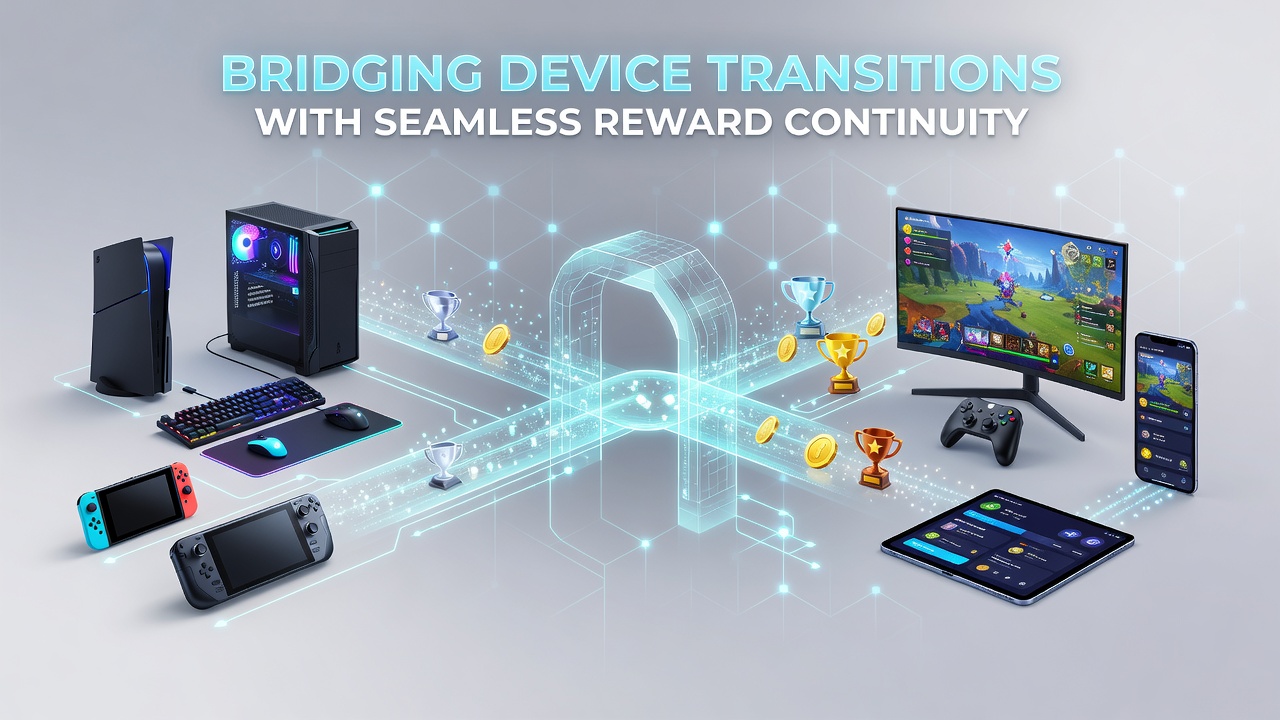
What's interesting is that mobile-first users frequently initiate sessions during commutes and later continue on larger screens at home, so systems must accommodate varying screen resolutions and input methods without resetting active challenges or loyalty tiers. Reports from iGaming Ontario document similar trends in North American markets, where cross-device continuity correlates with increased average session lengths when reward triggers remain active throughout the switch.
Security and Data Handling Considerations
Encryption protocols protect the data streams that carry reward information between devices, and multi-factor verification steps occur only at initial login rather than during subsequent transitions. Researchers discovered that platforms balancing robust security with seamless access experience fewer account recovery requests, because players encounter fewer friction points. Observers note that these measures also help operators comply with regional data protection standards while maintaining the flow of bonus activations across mixed gaming modes.
Future Directions in Reward Continuity
Advances in artificial intelligence allow predictive pre-loading of session data based on user location and device history, which shortens transition times even further. As of November 2026, industry pilots are testing blockchain-based ledgers for reward tracking, offering immutable records that survive device changes without relying solely on centralized servers. Those who've studied adoption rates find that such innovations appear most frequently in markets with high smartphone penetration and frequent device switching.
Conclusion
Bridging device transitions through seamless reward continuity has become a foundational element of mixed-mode online gaming, supported by synchronized databases, edge computing, and evolving regulatory frameworks. Data shows measurable improvements in player retention when progress carries across platforms without interruption, and ongoing developments in November 2026 and beyond continue to refine these capabilities across global markets.