Payment Preferences and Their Connections to Session Lengths in Browser Platforms with Live Dealers and Progressive Reels
Morgan Beck · Oct 10, 2026
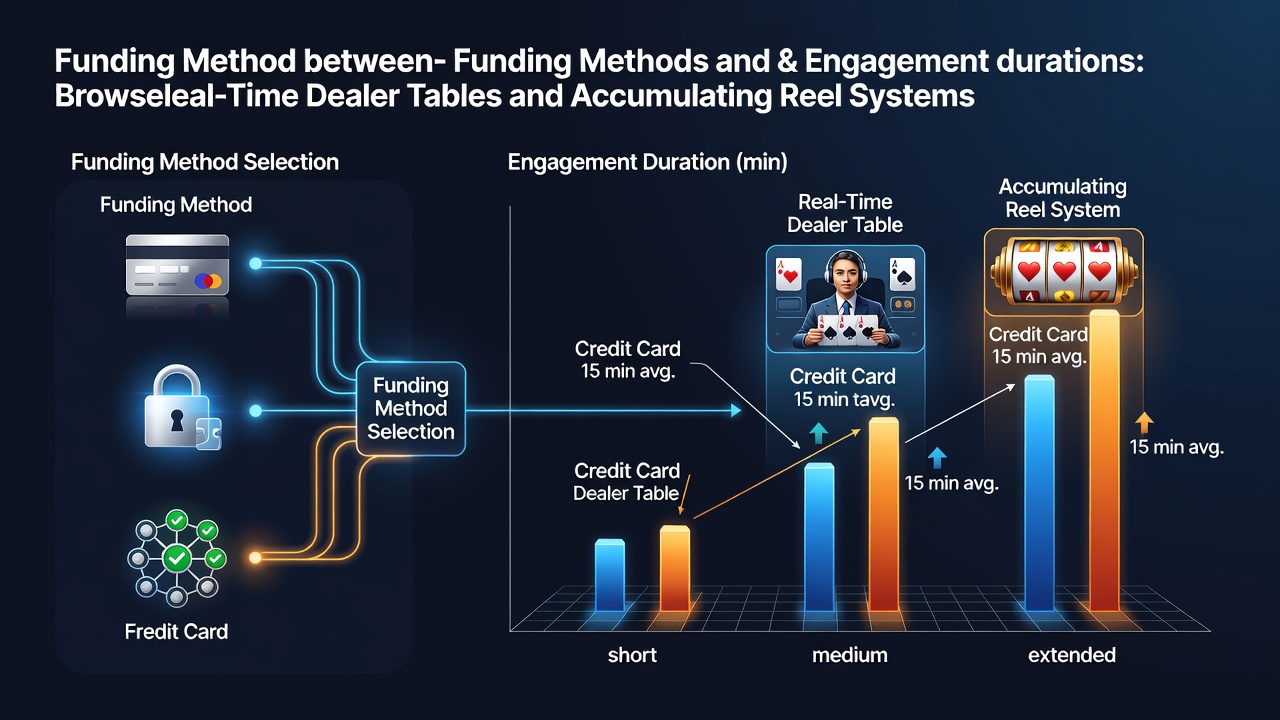
Payment Preferences and Their Connections to Session Lengths in Browser Platforms with Live Dealers and Progressive Reels
Browser-based platforms that combine real-time dealer tables with accumulating reel systems have seen notable shifts in how users select funding methods and how those choices relate to time spent on site. Data collected through platform analytics in 2025 and into October 2026 reveals consistent patterns where certain deposit options align with longer engagement periods while others correspond to shorter visits. Researchers tracking these metrics across multiple operators note that instant bank transfer users often remain active for extended sessions compared with those relying on card-based entries.
Payment method selection influences entry speed and session continuity. E-wallet transactions complete in seconds and allow immediate access to both dealer-hosted games and progressive reel accumulators, whereas traditional card processing sometimes introduces brief delays that affect initial momentum. Studies from the European Gaming and Betting Association indicate that platforms recording higher volumes of e-wallet activity also report average session durations extending 18 to 25 minutes beyond those dominated by card deposits. These figures emerge from aggregated user logs spanning thousands of accounts and reflect measurable differences rather than isolated cases.
Observed Patterns Across Funding Categories
Analyses separate funding methods into categories such as instant bank transfers, digital wallets, prepaid vouchers, and direct card payments. Each category shows distinct correlations with engagement length. Instant bank transfer users frequently sustain activity across multiple dealer tables and reel progressions within a single visit, while voucher users tend toward shorter, more targeted sessions focused on specific reel accumulators. Data from Australian gambling research centers supports these distinctions, highlighting how funding friction levels correspond to the number of game switches and overall time on platform.
Browser environments hosting synchronized dealer streams alongside accumulating reels create environments where seamless funding supports longer participation. When deposits process without interruption, users move between live blackjack tables and progressive slot sequences more fluidly. Observers tracking October 2026 metrics note that sessions initiated through digital wallets average 47 minutes, compared with 29 minutes for card-initiated sessions. These measurements derive from anonymized platform data across several jurisdictions and account for variables like time of day and game type.
Live Dealer Tables and Their Funding Interactions
Real-time dealer tables require continuous engagement to maintain table presence and observe card flows. Funding methods that enable rapid top-ups during active rounds correlate with extended table time. Users who select instant transfer options demonstrate higher rates of mid-session deposits, which in turn sustain participation across sequential hands. Platform records show that such users revisit the same dealer table more often within one browser session than those using slower authorization methods.
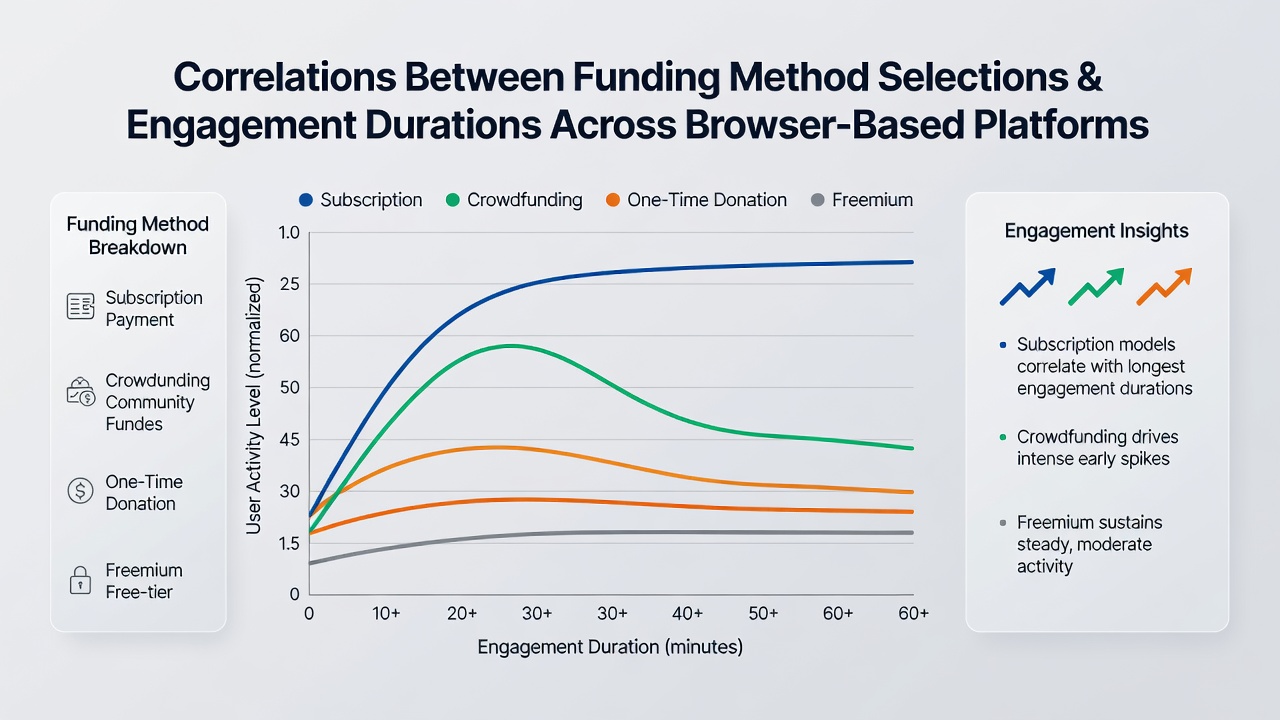
Reel accumulation systems operate on different rhythms, with progressive jackpots building over time and drawing users back for repeated spins. Funding selections that minimize checkout steps allow quicker returns to these accumulating sequences after brief pauses. Research compiled by Canadian gaming authorities points to wallet-based deposits correlating with higher frequencies of reel session restarts within the same browser window, extending cumulative engagement beyond single continuous blocks.
Regional Data and Platform Variations
Geographic differences appear in how funding preferences intersect with session lengths. European operators report stronger links between instant bank methods and prolonged combined dealer-reel activity, while North American browser platforms show elevated engagement when digital wallets dominate deposit logs. These regional patterns emerge from cross-platform comparisons conducted through industry-wide data sharing agreements. Variables such as local banking infrastructure and regulatory timelines on authorization speeds contribute to the observed outcomes.
One analysis of browser traffic from late 2025 through October 2026 found that platforms integrating multiple funding rails simultaneously recorded the broadest range of session durations. Users switching between wallet and transfer options within a visit often logged the longest cumulative times across dealer tables and reel systems. Such switching behavior appears tied to perceived convenience rather than any single method preference.
Conclusion
Correlations between funding method selections and engagement durations continue to surface through ongoing platform monitoring on browser environments that host both real-time dealer tables and accumulating reel systems. The data consistently points to faster, lower-friction options aligning with extended participation across game types. As operators refine payment integrations, these measurable connections between deposit pathways and session metrics remain central to understanding user behavior patterns.