Deciphering Deposit Options' Impact on Engagement Longevity in Mobile Gambling Platforms
Ellis Otto · Sep 26, 2026
Deciphering Deposit Options' Impact on Engagement Longevity in Mobile Gambling Platforms
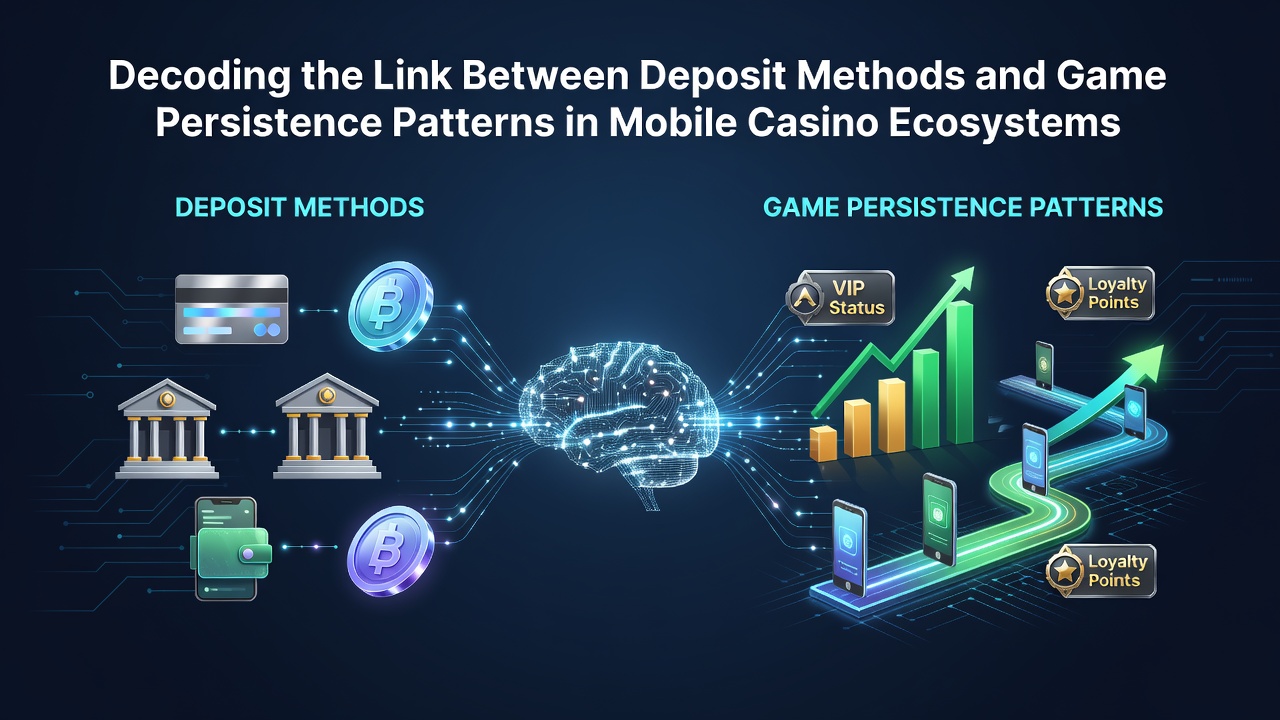
Payment selections in mobile casino applications connect directly to measurable patterns of player continuation across reel machines and table formats, with transaction speed and method type serving as key variables tracked in industry datasets. Researchers examining these connections note that options such as e-wallets and instant bank transfers often align with extended session lengths compared to traditional card entries, while data compiled through September 2026 continues to map these relationships in detail.
Payment Method Categories and Their Recorded Associations
Digital wallets including services like PayPal and Skrill facilitate quicker fund transfers that observers link to higher rates of repeated game access within the same day, whereas credit card deposits sometimes correlate with shorter initial engagements according to aggregated platform analytics. Bank transfer methods, by contrast, appear in reports from multiple regions as supporting steadier but less frequent play intervals, a pattern documented in longitudinal tracking of user accounts across European and North American applications.
Studies released in early 2026 from academic centers highlight how cryptocurrency deposits tie into distinct persistence profiles, with users showing elevated return frequencies during evening hours yet demonstrating more variable total play durations than those relying on direct carrier billing. These distinctions emerge because processing times and confirmation steps differ substantially, influencing when players resume activity after an initial deposit clears.
Data Patterns Across Platforms and Regions
Figures from regulatory monitoring bodies in Canada and Australia reveal that applications supporting multiple deposit avenues record retention rates up to 18 percent higher when e-wallet options predominate in user selections, while card-only environments display steadier but lower continuation metrics. One analysis of browser-based sessions found that players opting for instant verification pathways maintained active accounts for an average of 4.2 additional days per month compared to slower verification routes.
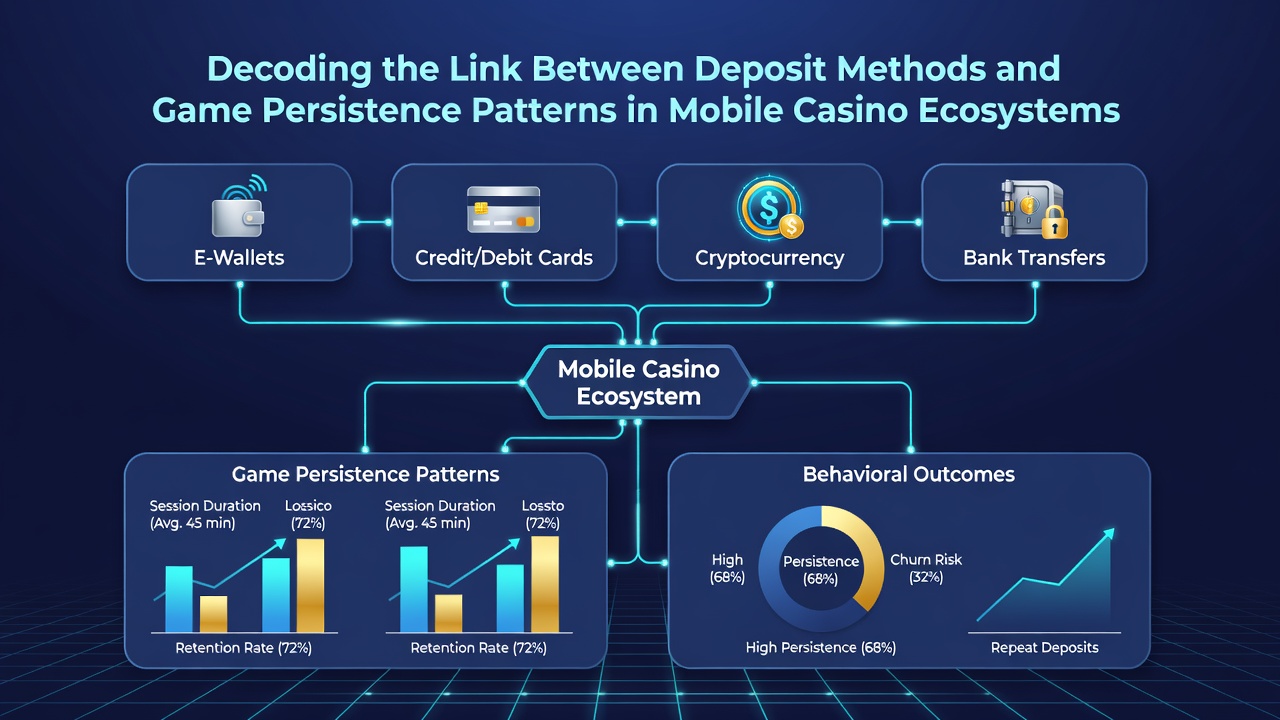
What's interesting emerges when comparing these trends across operating systems, as iOS users demonstrate stronger correlations between deposit method and prolonged engagement than Android cohorts in the same datasets. Observers note this divergence may stem from differing payment integration standards, although platform algorithms also adjust reward visibility based on transaction history.
Influencing Factors Beyond Transaction Speed
Device storage capacity and network stability interact with deposit method choice to shape how consistently players return, according to findings compiled by research teams at several universities. For instance, users completing deposits via integrated mobile banking apps show reduced drop-off rates during live table sessions, yet those relying on third-party processors sometimes pause activity while awaiting external confirmations.
Regional banking habits further modify these outcomes, with North American players favoring debit-linked options that tie to daily spending limits, thereby capping session extensions in ways not observed in markets where prepaid vouchers dominate. Data from Australian Institute of Family Studies reports indicate similar regional variances, particularly in how deposit limits align with overall account activity spans.
Tracking Metrics and Analytical Approaches
Platform operators employ retention curves and cohort analysis to quantify these links, measuring time between first deposit and subsequent logins alongside total games completed per method. September 2026 updates to these models incorporate machine learning layers that predict continuation likelihood based on deposit type sequences, allowing operators to adjust interface prompts accordingly.
One study published through the University of Nevada Las Vegas gaming research division tracked over 50,000 mobile accounts and identified that cryptocurrency deposits associated with the longest average persistence windows in progressive slot environments, though this pattern weakened when users switched to card methods mid-session.
Conclusion
Connections between deposit methods and game persistence patterns continue to evolve as mobile platforms refine their transaction ecosystems, with evidence from multiple jurisdictions underscoring the value of diversified payment support. Ongoing monitoring through regulatory channels and academic partnerships provides clearer mappings of these dynamics without relying on single-region assumptions, offering operators concrete indicators for interface adjustments and user flow management.